

















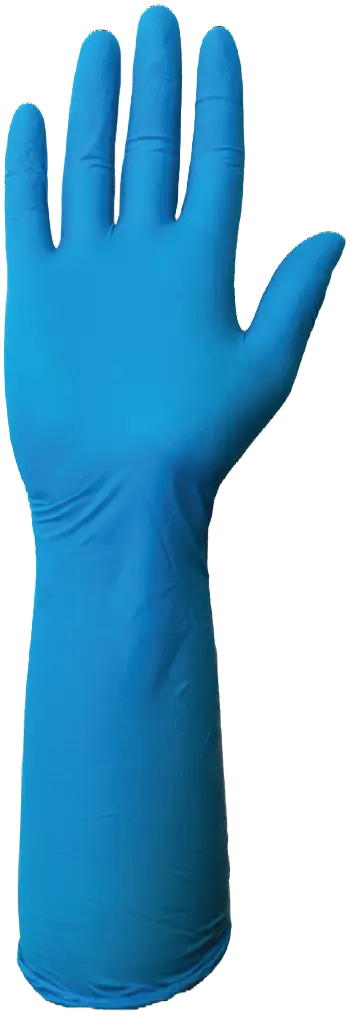




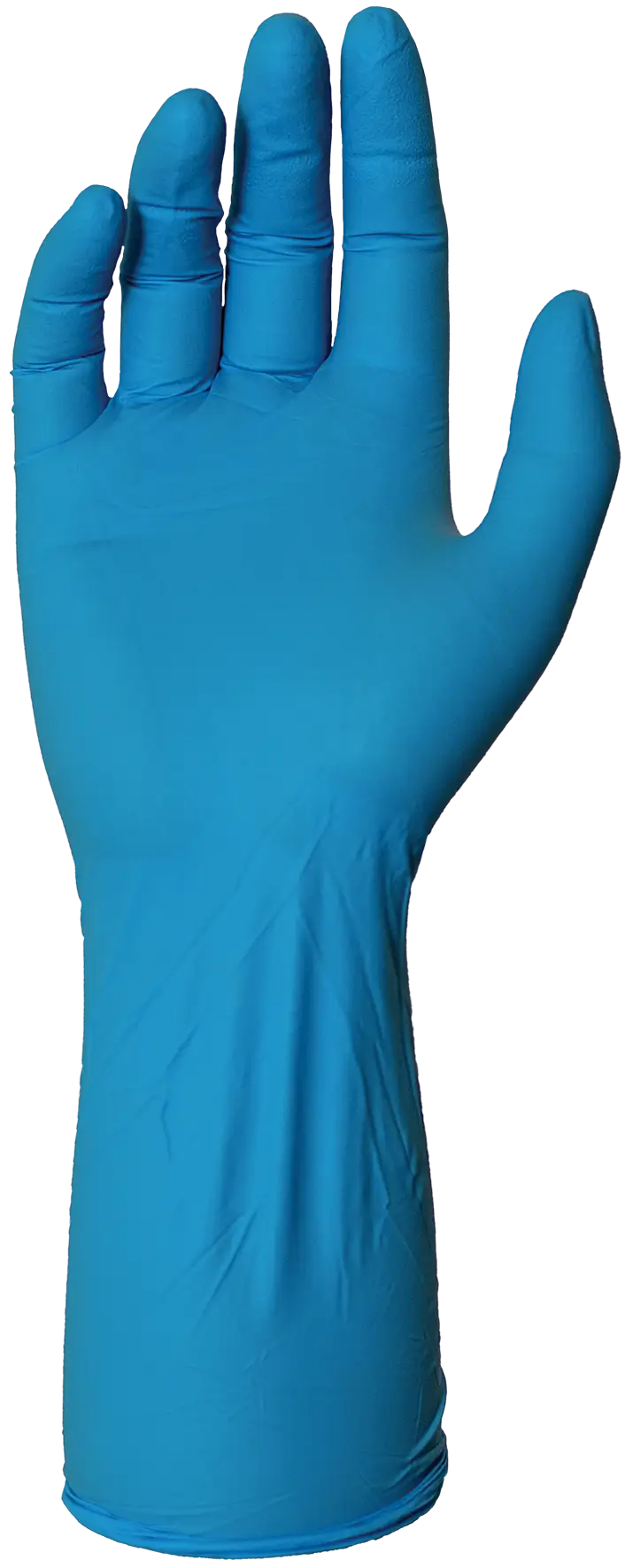




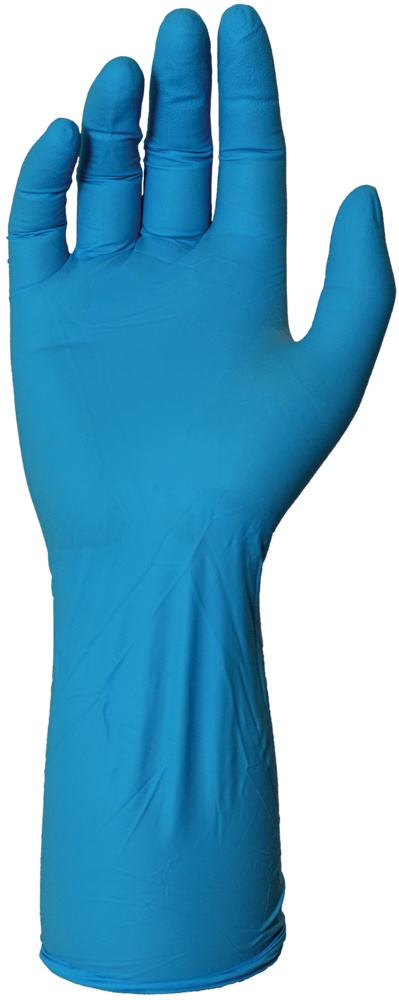





















Disposable gloves are one of the most frequently used products in healthcare, making even small improvements in glove utilization meaningful. While gloves are essential for protecting both patients and healthcare workers, unnecessary waste increases supply costs and contributes to environmental impact. Across a large health system, even a small reduction in glove use can translate into significant annual savings while decreasing environmental impact.
A study conducted at a ~1000 bed hospital in North America explored whether simple engineering changes, not education campaigns or behavior reminders, could reduce glove waste across acute care units. The findings suggest that small changes to how gloves are stored and dispensed can have a measurable impact on glove consumption.
The Three Changes Evaluated
Three interventions were introduced one at a time, allowing them to measure the overall effect each change had on glove utilization.
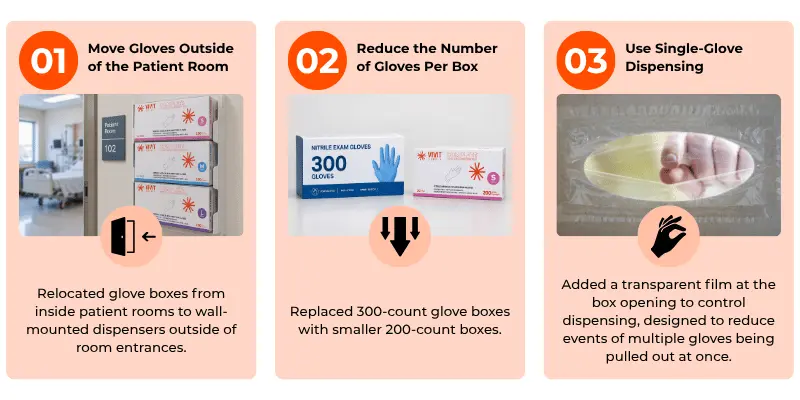
Rather than introducing all three changes at once, researchers rolled them out gradually across four acute care units. Two units received each intervention at a time, with approximately two months between each phase.
Throughout the study, glove boxes were stocked manually and glove inventory was counted several times each week.
The Results
The combined changes led to a steady decline in glove utilization across all four hospital units.
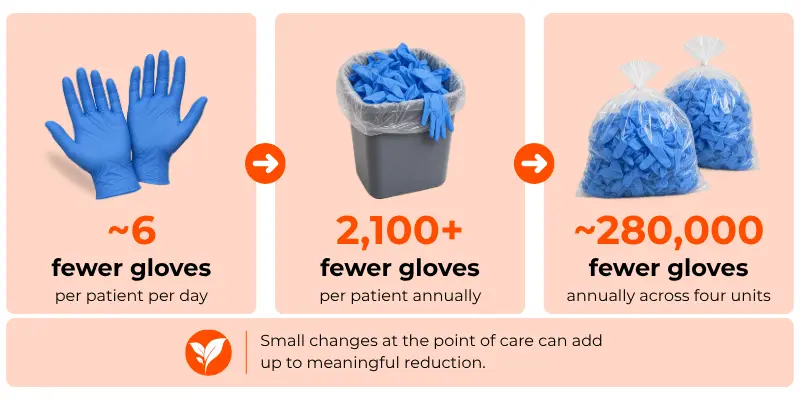
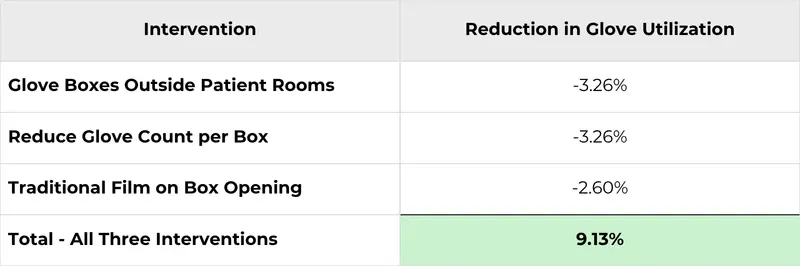
Together, the three changes reduced glove consumption without requiring staff education, policy changes, or additional training.
Cost Savings for Your Health System
Reducing unnecessary glove use isn’t just an opportunity to reduce waste. Across a health system, even small improvements in glove utilization can add up to meaningful cost savings.
Taking Glove Dispensing One Step Further with Clean ReachZero*
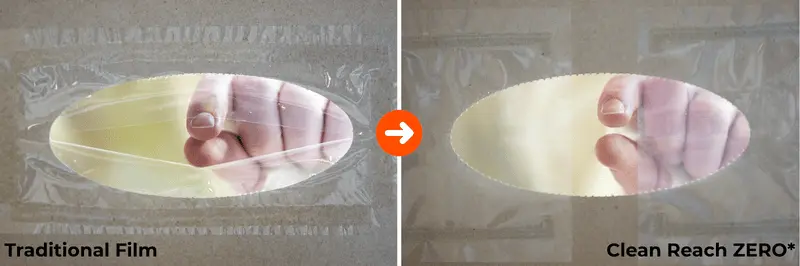
To explore the potential for additional waste reduction, we applied the benefits of Clean Reach ZERO* dispensing technology to the study results. Clean Reach ZERO* takes traditional dispensing film a step further with a wider opening and vertically rotated film designed for efficient, one-at-a-time dispensing. Our analysis illustrates the opportunity to further reduce unnecessary glove utilization and associated costs beyond the reductions observed in the study.
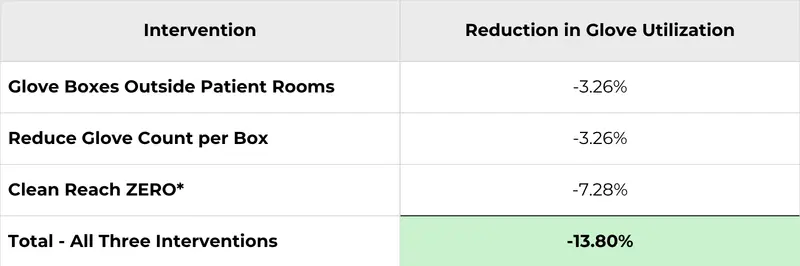
Reducing glove waste doesn’t necessarily require dramatic changes. As the study demonstrates, thoughtful adjustments to how gloves are stored, accessed, and dispensed can help reduce unnecessary utilization. For health systems, evaluating these practices alongside dispensing solutions designed to further minimize waste can create opportunities to improve efficiency, reduce costs, and make better use of resources.
Source:
Maze dit Mieusement L, Williams V, Wood M, et al. Engineeringa Reduction in Glove Wastage at the Point-of-Care. Sunnybrook HealthSciences Centre.