











.webp)














.jpg)




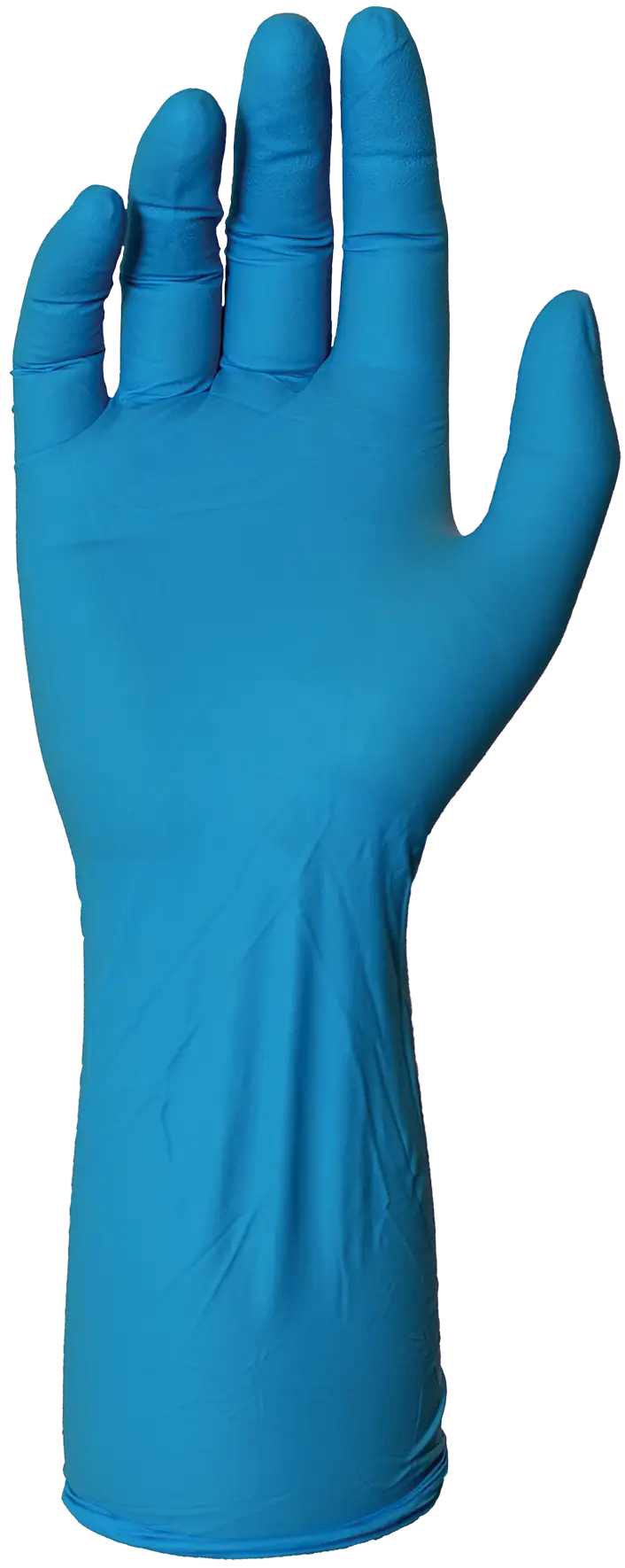
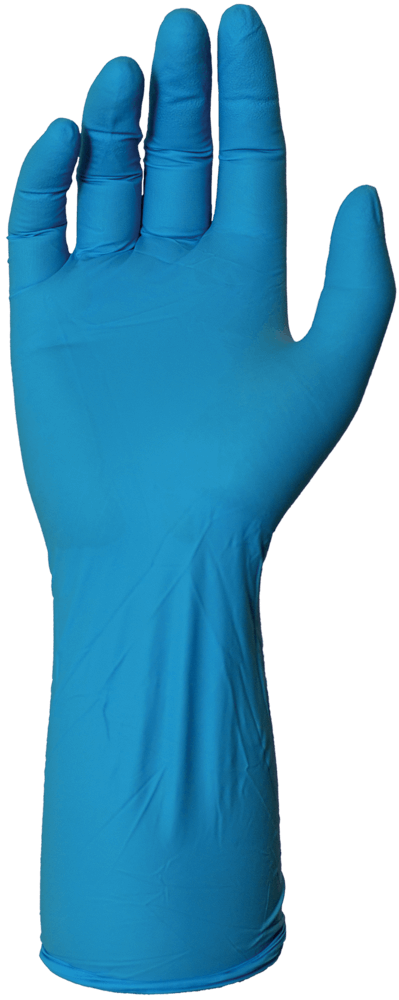
Disposable gloves are one of the most frequently used products in healthcare, making even small improvements in glove utilization meaningful. While gloves are essential for protecting both patients and healthcare workers, unnecessary waste increases supply costs and contributes to environmental impact. Across a large health system, even a small reduction in glove use can translate into significant annual savings while reducing environmental impact.
A study conducted at Sunnybrook Health Sciences Centre explored whether simple engineering changes, not education campaigns or behavior reminders, could reduce glove waste across acute care units. The findings suggest that small changes to how gloves are stored and dispensed can have a measurable impact on glove consumption.
The Three Changes Evaluated
Three interventions were introduced one at a time, allowing them to measure the overall effect each change had on glove utilization.
1. Move Gloves Outside the Patient Room
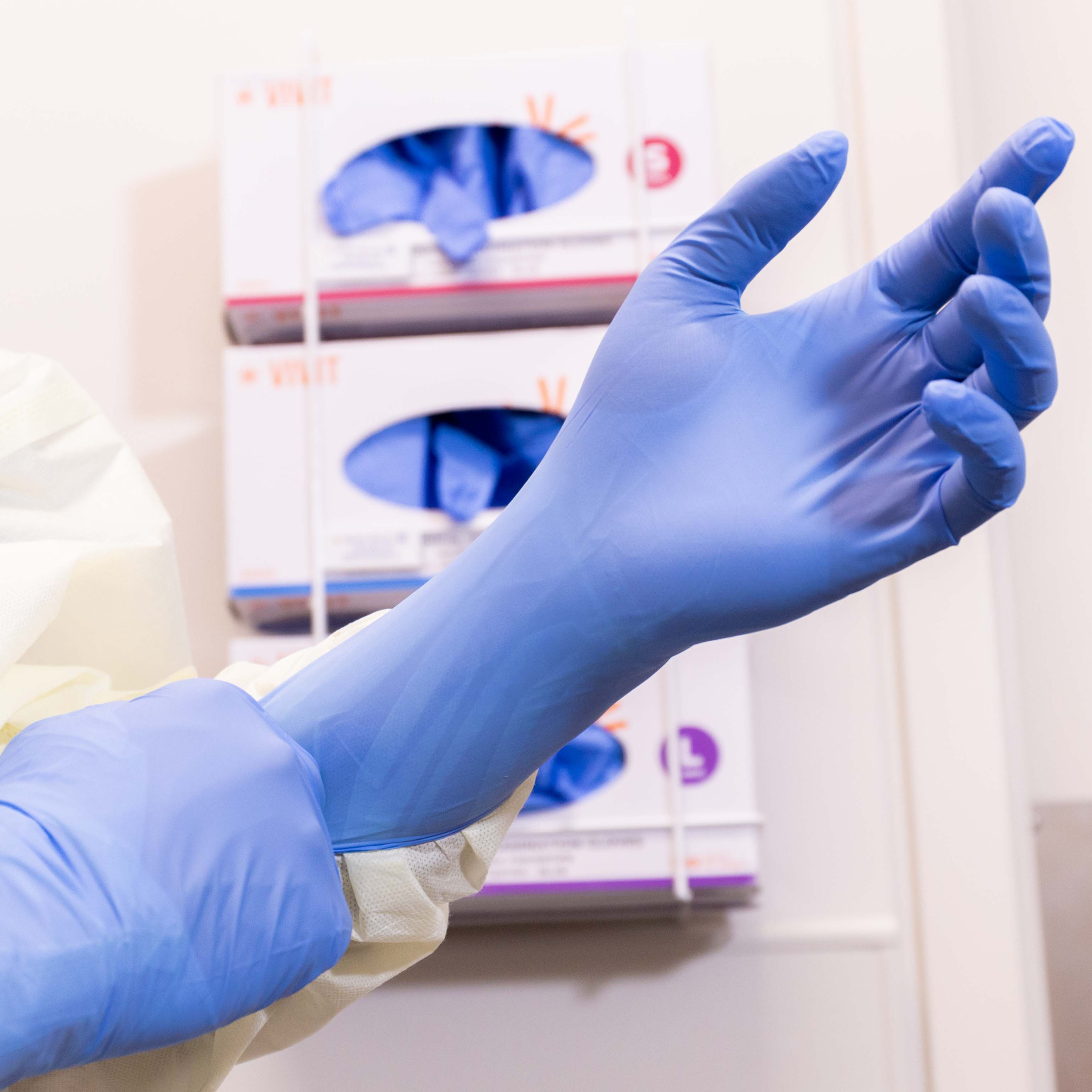
The first intervention relocated glove boxes from inside patient rooms to wall-mounted dispensers outside each room entrance.
2. Reduce the Number of Gloves Per Box
The second intervention replaced 300-count glove boxes with smaller 200-count boxes.
3. Use Single-Glove Dispensing
The final intervention added a transparent plastic film over the glove box opening. The film restricted the opening enough that staff could remove one glove at a time, reducing the likelihood of accidentally pulling out multiple gloves that might otherwise be discarded.
How the Study Was Conducted
Rather than introducing all three changes at once, researchers rolled them out gradually across four acute care units. Two units received each intervention at a time, with approximately two months between each phase.
Throughout the study, glove boxes were stocked manually and glove inventory was counted several times each week.
The Results
The combined changes led to a steady decline in glove utilization across all four hospital units.
Overall, glove use dropped by approximately six gloves per patient each day. While that may seem like a small difference, the impact adds up quickly. Across the four study units, this equated to more than 2,100 fewer gloves used per patient bed each year.
Researchers also observed that glove use naturally fluctuated from month to month, making it difficult to determine exactly how much each individual intervention contributed. However, the overall trend remained consistent: together, the three changes reduced glove consumption without requiring staff education, policy changes, or additional training.
The study demonstrates that thoughtful packaging and point-of-care design can influence product utilization while maintaining existing clinical workflows.
Bringing These Changes to Your Health System
Many of these improvements are relatively easy to implement. Relocating dispensers, evaluating glove box sizes, and selecting gloves with packaging designed to dispense one glove at a time can all help reduce unnecessary waste.
If your organization is looking for practical ways to reduce glove waste, consider starting with glove packaging. A simple engineering change at the point of care may deliver meaningful savings across your entire health system. Learn about our COMPLETE glove with Clean Reach ZERO.
Calculate Your Potential Savings
The study found that the combined interventions reduced glove use by approximately 2,100 gloves per patient bed each year. See what that reduction could mean for your health system’s bottom line.